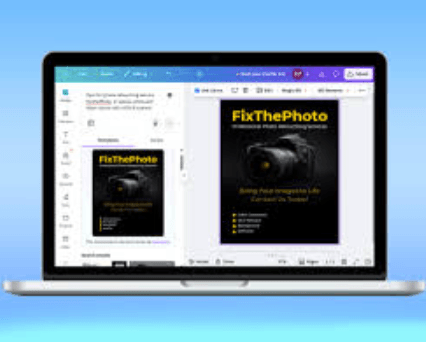
Preparing AI-generated flyers for professional printing requires careful validation of content, ethics, and sourcing, followed by translating output into print-ready files. Maintain consistency across typography, color, and imagery using industry standards and color management. Select suitable substrates and finishes, plan timelines, and implement quality controls with proofs to refine alignment and integrity. Licensing and creative intent must be preserved within professional guidelines, while maintaining autonomy to adapt workflows as constraints emerge. The approach invites further scrutiny as new tools and standards evolve.
What to Know Before Printing AI Flyers
Before printing AI-generated flyers, it is essential to assess the output for accuracy, resolution, and consistency. The process emphasizes AI ethics, ensuring responsible tool use and transparency.
Data sourcing clarity underpins credibility, while color management guarantees faithful reproduction. Attention to print deadlines prevents delays, aligning design intent with production schedules.
This disciplined approach respects creative autonomy and professional standards for freedom-loving audiences.
Translate AI Concepts Into Print-Ready Files
Translating AI concepts into print-ready files requires aligning generated content with production standards, ensuring typography, color, and imagery translate faithfully from screen to print.
The approach emphasizes consistent AI color modes, structured typography grids, and reliable file presets.
Practitioners leverage print proofs to validate outputs, refining alignment, spacing, and rhythm before finalization, maintaining freedom through disciplined, repeatable workflows.
Color, Resolution, and Typography for Print
Color, resolution, and typography form the trifecta that determines print fidelity: accurate color reproduction, sharp detail, and legible type.
The discussion centers on color accuracy and disciplined typography, ensuring consistent swatches and predictable output.
Font licensing considerations safeguard legality and stability, guiding clients toward suitable type choices.
Technical diligence reduces reprint risk, preserving aesthetic intent while supporting freedom to innovate within professional guidelines.
Choose Materials and Production Considerations
Materials selection shapes both appearance and practicality: choosing substrates, coatings, and production paths that align with the flyer’s purpose, budget, and printing method. The discussion centers on material sourcing, durable yet economical options, and sustainable choices, framing how stock, finishes, and formats affect readability and feel. Production timelines, vendor lead times, and quality controls guide efficient, consistent, professional results.
Frequently Asked Questions
How to Proofread Ai-Generated Copy Before Printing?
A thorough proofreading workflow ensures accuracy; the copy undergoes structured checks, then a final read. An error checking checklist guides cadence, grammar, and factual alignment, while defenders of design preserve voice and aesthetic freedom in print-ready files.
Can AI Help With Proper Bleed and Trim Marks?
AI can assist with AI powered bleed and AI driven trim, ensuring precise margins and safety zones. Satirical yet concise, the approach appeals to freedom-seekers while delivering aesthetic accuracy for professional printing without sacrificing creative control.
What File Formats Preserve Vector Elements Best?
Vector preservation is best achieved in SVG, PDF, and EPS, while preserving embedded fonts and layers. Color management remains critical; use ICC profiles and convert to CMYK where appropriate to ensure consistent output across devices.
How to Ensure Font Licensing for Print Runs?
“Fax machines whisper”, the concern is addressed: font licensing must be secured before mass print runs; obtain commercial licenses, document terms, and track expirations. Print proofing ensures embedded rights, usage limits, and compliant fonts across all creative assets.
See also: How Technology Is Driving Business Innovation
What Are Cost-Saving AI Strategies Without Quality Loss?
Cost optimization hinges on AI driven workflows that streamline design, messaging, and proofs; savings accrue from template reuse, batch rendering, and intelligent asset management, while maintaining quality through calibrated generators and standardized color profiles for consistent professional results.
Conclusion
In conclusion, AI-generated flyers can meet professional print standards when content accuracy, licensing, and ethics are transparently verified, and when outputs are translated into print-ready files with disciplined typography, color management, and structured grids. Anticipating objections about autonomy or creativity, the reply is that strict controls preserve intent while enabling creative freedom within guidelines. By selecting appropriate substrates, proofs, and production timelines, designers ensure consistent quality, reproducibility, and dependable communication across all print modules.
